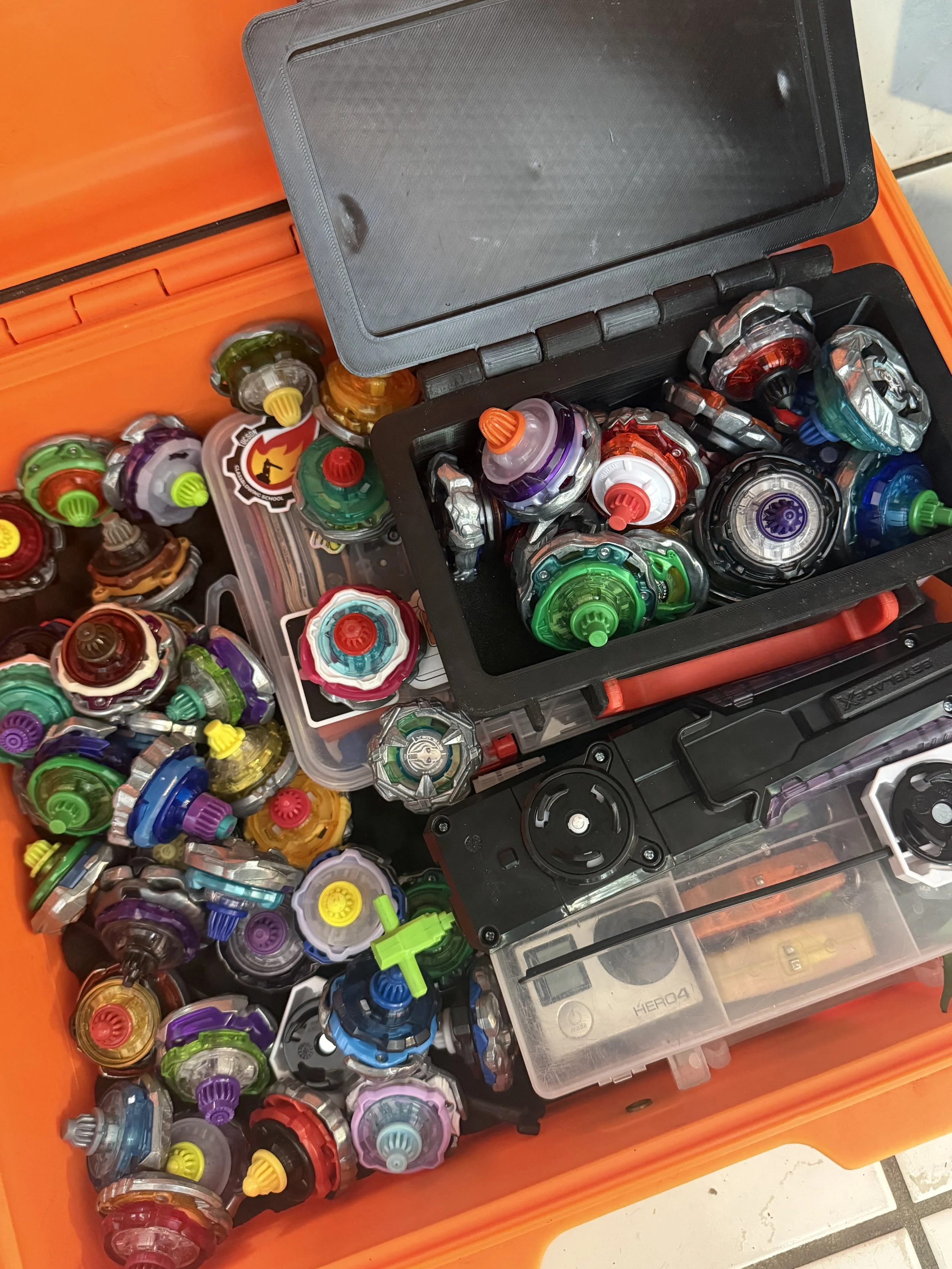
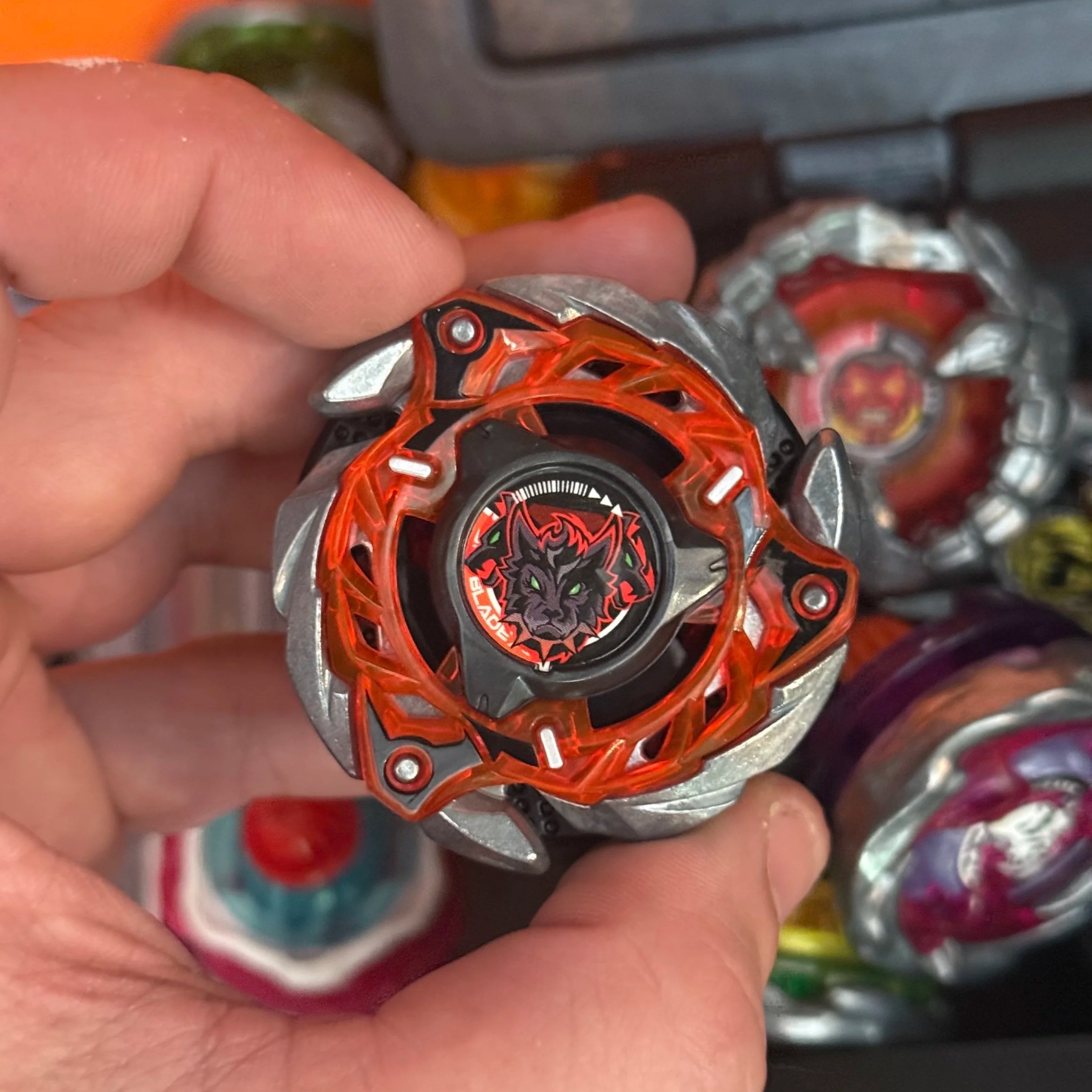
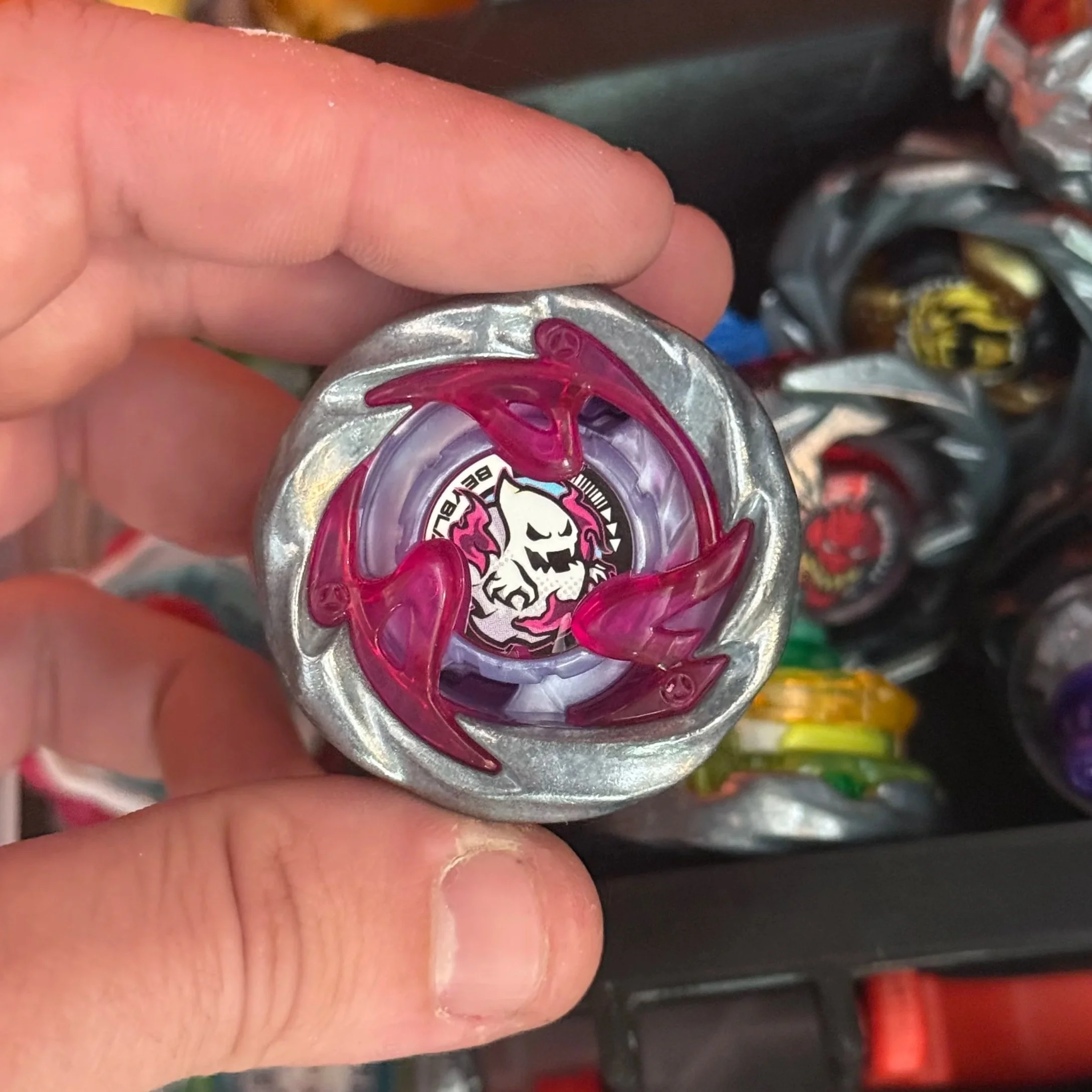
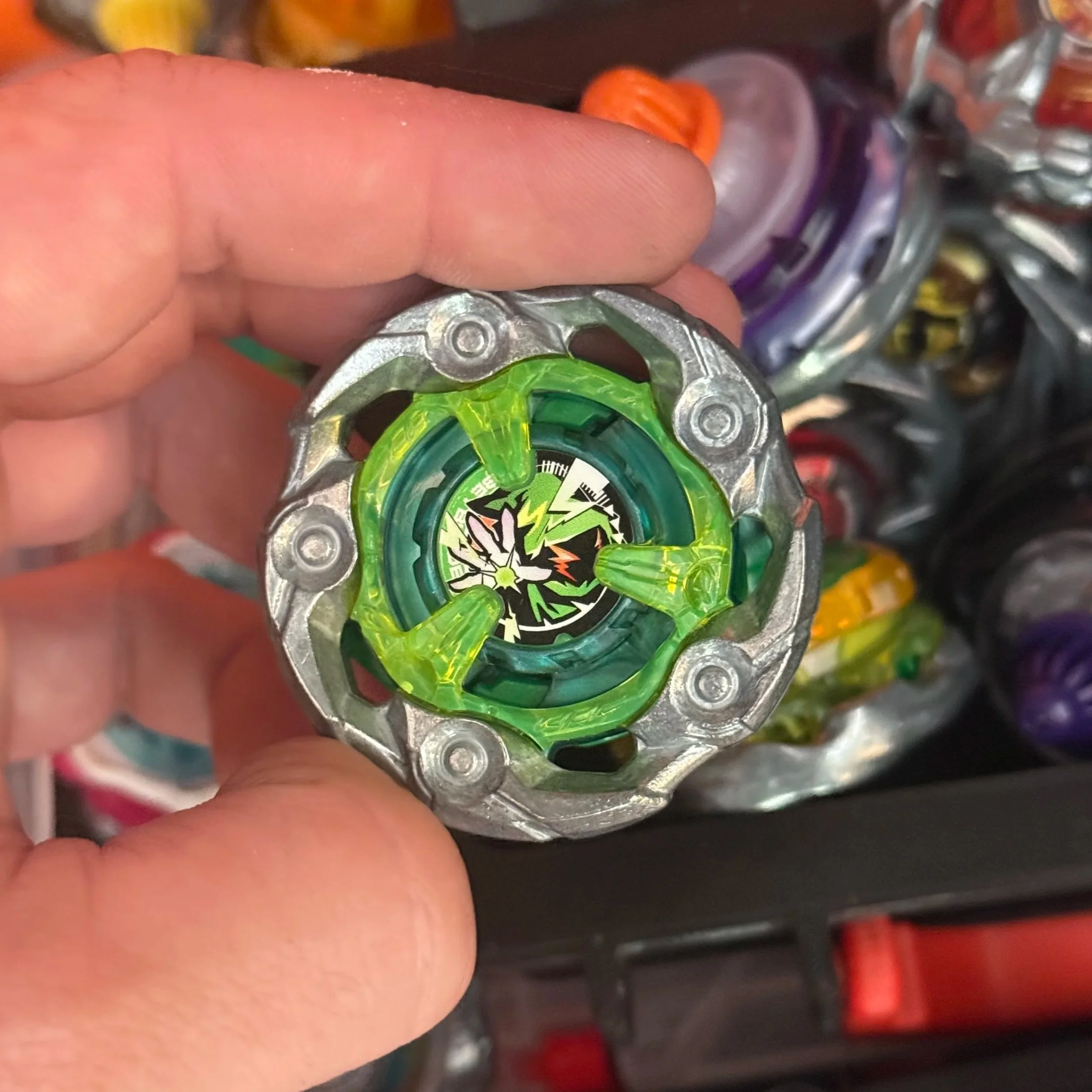
Beyblade X - Behind The Cultural Phenomenon
Beyblade X and Competitive Play: Why It’s Blowing Up and What Competitive Players Need to Know
Beyblade X has tapped into a potent mix of nostalgia, fast-paced gameplay, and accessible customization to become one of the most popular competitive tabletop games of the last few years. What started as a reinvention of the classic spinning-top toy has evolved into a structured competitive scene, drawing kids, teens, and adults who want strategic depth, community, and spectacle.
Why Beyblade X Took Off
Nostalgia with an upgrade: Players who grew up with earlier Beyblade series find a refined, modern iteration in Beyblade X. The mechanics preserve the core thrill—tops colliding and knocking each other out—while incorporating new parts, materials, and rule sets that reward skill and planning.
Streamlined accessibility: Beyblade X is easy to pick up. Basic play is intuitive, which lowers the barrier to entry. At the same time, the depth provided by part combinations and launch techniques offers long-term engagement for competitive players.
Collectibility and customization: The modular system encourages experimentation. Builders swap weight disks, blades, and performance tips to tune for attack, defense, stamina, or combos—creating a metagame driven by part synergy, rare releases, and player innovation.
Community and content: Competitive matches, unboxings, build guides, and highlight reels thrive on social platforms and streaming sites. A strong online presence accelerates growth by turning local tournaments into shareable moments that attract newcomers.
Organized play infrastructure: Tournament circuits, official rulebooks, and tiered events give structure to competitive play. This formalization helps serious players track rankings, measure progress, and invest in long-term improvement.
Core Elements of Competitive Play
Parts and Build Philosophy: Competitive builders focus on balance between offense and survivability. Attack-focused builds emphasize aggressive chip damage and knockouts; stamina builds aim for long survival and gradual advantage; defense builds use heavy contact and rebound to avoid being burst or knocked out. Hybrid builds combine elements for versatility.
Launch Technique: Launch power, angle, and driver choice (tips and launchers) matter. Consistency is vital—a repeatable, precise launch often outperforms raw force. Advanced players practice launch timing and incorporate tricks like sliding or buffered launches to influence clash outcomes.
Burst vs. Knockout: Match-win conditions vary by format. Some tournaments emphasize burst finishes (where a top disassembles), while others value ring-outs (knocking opponents out of the stadium). Understanding the rule set guides build and strategy choices.
Stadium Knowledge: Different stadiums affect trajectories and collisions. Competitive players adapt their builds and launch style to stadium geometry, friction, and obstacles. Reading the stage and using it to force favorable interactions is a key skill.
Adaptation and Scouting: At higher levels, players scout opponents’ builds and adjust on the fly. Matchups matter—what wins against one archetype may fail against another. Top competitors bring side decks or alternate tops to counter specific strategies.
Why Strategy Beats Raw Power
While flashy attack tops deliver highlight-reel knockouts, tournaments reward consistency. A top that can reliably survive multiple rounds and capitalize on opponent errors often outperforms an all-or-nothing attacker. Defensive and stamina strategies can neutralize aggression by staying alive until an opponent bursts or tires out. This balance between risk and safety is what makes competitive Beyblade X strategically satisfying.
The Role of Manufacturers and Meta
Manufacturers drop new parts and limited releases that shift the meta. Competitive players analyze each release to discover synergies and exploit mechanical advantages. Official bans, part restrictions, and format changes also shape the competitive environment, maintaining balance and preventing single-part dominance.
Grassroots and Local Scenes
Local hobby shops, community centers, and school clubs are the backbone of Beyblade X’s competitive ecosystem. Weekly meetups and casual leagues help new players learn rules and techniques, while regional qualifiers feed into larger events. These grassroots scenes are where communities form, rivalries develop, and skills sharpen—often before players hit the national stage.
The Spectacle Factor
Competitive matches are short, dramatic, and viewer-friendly—ideal for streaming and short-form video. Burst finishes, comeback wins, and clutch launches create shareable moments that draw viewers and convert them into participants. Tournament events often pair competitive play with side events, trade fairs, and fan showcases that enhance the spectacle.
How to Get Started in Competitive Beyblade X
Learn the basics: Understand the parts, win conditions, and basic stadium types.
Build and test: Start with a balanced build, then tune parts to emphasize strengths. Test against different archetypes to find weaknesses.
Practice launches: Develop a consistent launch routine. Record and analyze launches to improve consistency.
Join a local group: Find nearby meetups or online communities to get real-match experience and feedback.
Study the reddit and wiki!